Man With A Van in Highbury

Need a man with a van in Highbury for a straightforward move, collection or delivery? Our service is set up for practical transport work where careful handling, sensible loading and clear planning matter. We help with domestic and small commercial jobs that need a van rather than a full-scale lorry, making it easier to move items efficiently while keeping the process simple for the customer.
The core of the service is flexible collection and delivery support. That can include single items, grouped boxes, furniture moves, student belongings, or light office contents, depending on what needs to go and how it should be moved. If you already know the date and the main items, request a quotation when you are ready. For a quick overview of how jobs are priced, see our pricing and quotes page.
We keep the service focused on the transport task itself: loading, secure carriage and unloading at the destination. When a move needs more organisation, the work can be paired with packing support, disposal of items that are no longer required, or a more structured removal plan. If you are comparing service types, the wider removal services page is a useful place to start.
Everyday van transport for homes and small premises
Our man and van work is suited to people who want a practical route between addresses without booking a larger removals operation. It can cover a room’s worth of items, appliances, awkward furniture or mixed household goods that are better carried with loading assistance. The aim is to keep the move manageable, with attention to protecting the items and making sensible use of the van space.
We also handle collections that are not quite a move but still need reliable transport. That might include a marketplace purchase, a sofa from a shop, or a few pieces picked up from storage. Where the load is compact, this can be a cost-conscious alternative to a bigger vehicle. If you need a broader service for general home transport, our home moves page explains the same style of work in a domestic setting.
Some jobs benefit from extra care with dismantled parts, fragile surfaces or mixed item sizes. In those cases, the best result usually comes from having a clear list of what is being moved and how access works at each end. Send the essential details first, then add anything unusual so the vehicle, manpower and sequence can be matched to the job properly.
House removals and furniture handling

For larger domestic moves, the service can be scaled into house removal work, especially where the customer needs help with furniture, appliances and boxed belongings in one coordinated journey. A van-based removal can be a practical choice for smaller properties, flat moves or partial household moves, particularly when access or parking makes a larger vehicle less suitable. The emphasis stays on careful lifting and orderly loading.
Furniture items often require different handling methods. A wardrobe, dining table, mattress or bookcase may need to be turned, wrapped or moved in a sequence that protects both the item and the property. That is why it helps to think about the biggest and most delicate pieces before the move starts. You can review our furniture pick-up page if your main requirement is a single item or a small set of pieces rather than a whole-home move.
Where needed, we can combine household transport with lifting support so that the job stays controlled from collection to delivery. This is especially helpful when the destination has stairs, tight entrances or limited waiting space outside. Clear access information is valuable because it helps to decide whether the work is best done in one trip, split across more than one load, or supported by an extra pair of hands.
Packing support and careful preparation
Some customers prefer to prepare everything themselves, while others want support with the practical parts of packing and unpacking. This service can help keep belongings organised, protect breakable goods and make unloading more efficient at the destination. It is particularly useful where a move includes mixed room contents, boxed items that need tidying, or furniture that should be wrapped before transit.
A sensible packing plan usually starts with the items that are most vulnerable in the van. Glass, ceramics, framed pictures and loose electronics are all easier to move when they are grouped and labelled in a consistent way. If you want a fuller packing option, our packing and unpacking services page describes that support in more detail. For customers who mainly need the van and loading help, the packing stage can still be kept light and practical.
One useful approach is to make a short checklist of what will travel, what should stay behind and what may need to be collected separately. Photographs are helpful when the items are awkward, but a written list can be enough for many straightforward moves. This keeps the enquiry efficient without turning it into a long exchange before the job has even been planned.
Office, business and commercial moves
Not every van job is domestic. We also support small office relocation work and other commercial transport where desks, chairs, files or boxed stock need moving between addresses. A van-based commercial move is often suitable for compact premises, shared workspaces or a staged relocation where only part of the equipment is being moved at a time. The aim is to keep the process orderly and reduce disruption.
Business items can be more varied than household goods, so it helps to separate furniture, documents and technology before loading begins. Computers, monitors and printers usually need a more cautious handling sequence than plain boxes, and file storage may need to be kept together by department or room. If your move is office-focused, the dedicated office removals page is the most relevant place to look at the service structure.
For larger relocations, a staged approach can be useful, especially when a workplace needs to stay partially operational. That may mean moving the lighter items first, then the furniture, then the equipment that needs more attention. In practical terms, the best commercial move is usually the one that is planned around access, load order and the final unpacking sequence rather than the vehicle alone.
About Highbury

Highbury is a district in the London Borough of Islington, in north London, and its character reflects both its older village origins and its later urban development. The area is commonly associated with Highbury Fields, one of the larger open spaces in inner London, and with the surrounding terraces and squares that give much of the district a residential feel. Highbury Corner remains a well-known local junction, linking routes towards Islington, Holloway and the wider north London network. The area’s street pattern still hints at earlier settlement and enclosure boundaries, even though much of the present layout was shaped by nineteenth-century expansion. Highbury Barn, now remembered through place names and local history, once formed part of the district’s social life in earlier centuries. Canonbury Lane and other nearby streets help connect Highbury to adjoining neighbourhoods, while the railway and Underground links make it part of a wider urban flow rather than a self-contained enclave. Architectural interest is visible in the mix of Georgian and Victorian terraces, later mansion blocks and converted buildings, many of which sit alongside newer infill development. The district is also strongly tied to sporting history through the former Arsenal stadium site, whose legacy continues to shape local identity. Parks, conservation areas and busy main roads sit close together here, which gives Highbury a compact but varied urban landscape. In everyday terms, it is a place where open space, housing, transport and neighbourhood life overlap in a relatively small geographical area.
Move planning and access considerations
Good planning can make a van move feel far simpler, especially in an area where parking, loading bays or narrow access points may affect the timing of the job. It is worth thinking about the start point, the destination and any places in between where items may need to be collected. If the move includes stairs or tight hallways, that should be mentioned early so the handling plan reflects the real conditions rather than an assumption.
For many customers, the most useful information is basic but specific: approximate item count, rough sizes, floor levels and whether anyone can help with lifting. That is enough to decide what kind of vehicle and loading time are likely to suit the job. If you want to compare the general range of removal options before you enquire, our removal company page gives a broader picture of the type of work we cover.
A good enquiry does not need to be long. A short description of the load, the dates you are considering and the access at both ends usually gives enough context for a clear response. Then ask for a quotation once the basics are in place; the aim is to keep the process quick without leaving out details that affect the move itself.
Household removals for smaller and partial moves

Our household removals support works well when you do not need a full-scale relocation but still want the reassurance of a structured service. That may include moving from a flat, taking selected furniture to storage, or transporting only the larger items while smaller belongings go separately. The value of this approach is that it gives the move enough organisation without overcomplicating the booking.
Partial moves often need a little more judgement than people expect. A sofa, bed base or shelving unit may fit easily once it is the only bulky item, yet the same vehicle space can become tight when combined with boxes or appliances. That is why it helps to think about the order in which things should be loaded and unloaded. If you are comparing related household options, the house movers page is a sensible next step.
Sometimes a move also involves items that do not need to travel at all, such as old furniture or materials that should be removed separately. Keeping those decisions clear before the day helps the transport work run more smoothly. It also means that the team can focus on the items being taken rather than pausing to sort the load on site.
What affects the cost of a van move
Pricing for van-based removal work is usually shaped by the size of the load, the distance travelled, the time needed for loading and unloading, and any extra handling that the job requires. Stairs, awkward access, waiting time and furniture that needs careful movement can all affect the final figure. Because each job is different, a clear description is the most helpful starting point for an accurate quotation.
It is also worth noting whether the move has one collection point or several, since multi-stop work can take longer and require more careful route planning. If the job involves commercial items, fragile possessions or unusually bulky furniture, that should be mentioned too. For straightforward comparison with other types of vehicle hire and removals support, see our moving van page for another practical transport option.
Keep the details honest and simple: what is moving, where it is going, and anything that could affect lifting or access. That is usually enough to produce a useful quotation without unnecessary back-and-forth. If the move changes, update the information before the booking is confirmed so the service can still be matched properly.
Collection, delivery and local transport requests
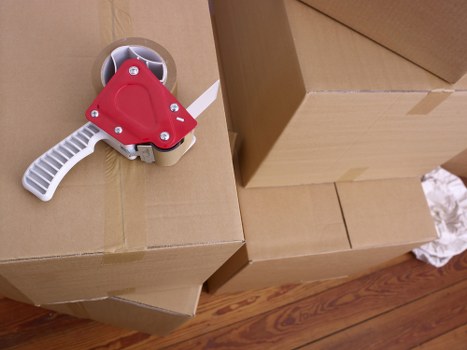
Not every enquiry is a full removal. Many customers simply need a collection from a shop, storage unit, warehouse or private property, followed by delivery to another address. This kind of transport is a good fit for the man and van model because it keeps the job focused on the items themselves rather than the logistics of a larger house move. It can also suit one-off purchases or short notice transport needs.
Where a collection involves mixed items, it helps to separate what is going in the van from what is not. That avoids confusion at pickup and reduces the chance of leaving something behind. If you have a project that involves regular or more organised transport work, our movers page may be useful for understanding the broader service pattern, while the main enquiry can still be kept concise and practical.
If you are ready to move ahead, request a quotation with the load details and your preferred date. We will then have the basics needed to assess the job properly and shape the transport around the items, access and distance involved.